4 lessons Indonesia taught me about myself and life
Indonesia was my first serious trip. I had never left Europe before, so even the 17-hour trip was already a big deal for me. And to be honest, the trip wasn’t always easy but that’s exactly what made it meaningful. Right after I came back I wrote five full A4 pages with all my reflections and experiences but today I’ll keep it short and share just the key lessons.
ENGLISH
10/8/20254 min czytać
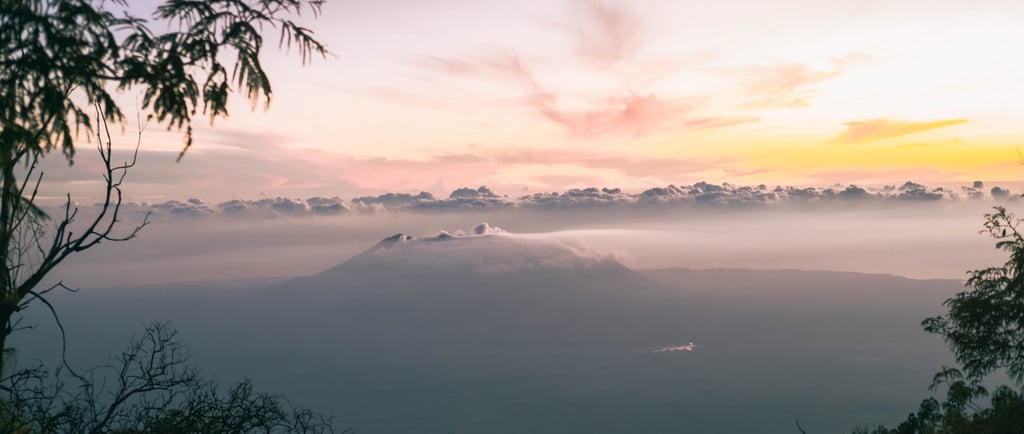
So here comes the time to share a few things I learned from my trip to Indonesia. This post isn’t just about food - it’s about life, experiences and lessons that left a lasting impression on me.
Indonesia was my first serious trip. I had never left Europe before, so even the 17-hour trip was already a big deal for me. And to be honest, the trip wasn’t always easy but that’s exactly what made it meaningful. Right after I came back I wrote five full A4 pages with all my reflections and experiences but today I’ll keep it short and share just the key lessons.
1. You can’t control life
Before the trip I was filled with anxiety - about flights, natural disasters, sicknesses… all the “what ifs.” And then life showed me that I really don’t have control. On the third day, there was a 6.3 earthquake that woke us up. A few days later, a tsunami alert. In between, I got a stomach sickness that kept me in bed for two days. At first it felt like too much, but it taught me that life happens, whether I worry or not. Acceptance brings peace (but it’s difficult and takes effort to practice it).
2. There are different ways to be spiritual
Bali is often described as a spiritual haven due to a lifestyle that attracts travelers seeking self-discovery and freedom. Temples, yoga retreats, surf towns, the promise of “resetting” one’s life - I was searching for that too. But once I saw it up close, something felt off. It felt artificial. Yoga and spiritual retreats on the one side, luxury hotels that most Indonesians could never afford on the other. Walking through some restaurants or parts of the city, I felt like I had entered a bubble of wealthy European living, with locals working tirelessly around you
That didn’t feel spiritual to me.
What did feel spiritual was daily life: Balinese people creating canang sari offerings every morning, temples and shrines tucked into every corner, the way five religions coexist on one island with tolerance. Spirituality wasn’t in the curated retreats - it was in the rhythm of life, in the balance between humans, nature and the divine. And personally, my most spiritual moments were the simplest ones: riding a scooter through empty roads, rice fields on both sides, birds singing. That’s where I felt free and connected.
3. Learn life from locals
The biggest lesson was that joy doesn’t need much. Indonesians have a way of savoring small moments and sharing genuine smiles with strangers. They never seemed to rush, even when stuck in traffic for ages - which would never happen in Paris without complaints. From them, I learned that happiness is in simplicity, kindness and presence. We have a lot to learn from them, for me it will be to slow down, to appreciate what I have in life because most of us live in perfect conditions that we still complain about.
4. Avoiding palm oil is about more than health
Another thing that really struck me was learning more about palm oil production. At first, I thought about it only in the context of food - something to avoid for health reasons. But being in Indonesia opened my eyes to a much bigger picture.
Palm oil is everywhere: in snacks, cosmetics, soaps. Indonesia is one of the world’s largest producers and behind this industry lies a painful reality. Families (often including children) work long hours on palm plantations, collecting palm fruits that can weigh 40–50 kilos each, earning almost nothing for it.
And then comes the environmental cost. To make space for plantations, massive areas of tropical rainforest are cut down. These forests are home to extraordinary biodiversity.
I also heard the story of the Orang Rimba, a nomadic, forest-dwelling people in South Sumatra and Jambi. Tropical rainforest was their home for centuries. They have lived there, moving with the seasons, hunting, gathering and practicing small-scale farming. The forest is their food, their medicine, and their spiritual home.
Today, their lands are being erased by the expansion of palm oil plantations. As the rainforest disappears, so does their way of life. Without the forest, they struggle to find enough food and shelter. Many communities are pushed to the edges of plantations or forced to live by the roadside, where they face poverty, hunger, and illness.
One of the most devastating changes comes from water pollution. Palm oil plantations often rely heavily on pesticides and chemical fertilizers, which wash into rivers and streams. For the Orang Rimba, these waters are their lifeline - for drinking, cooking, and bathing. When the water is polluted, it brings stomach problems, skin diseases, vision issues, and other serious health risks.
This trip made me much more aware of what I consume. A simple choice at the supermarket like picking up a product with palm oil without thinking twice can have consequences thousands of kilometers away.
Avoiding palm oil is no longer just about health, it’s about people, animals and protecting some of the most unique ecosystems on our planet.
Indonesia will be in my heart forever. It reminded me to let go of control, to seek meaning in simple daily moments, and to make more conscious choices that ripple far beyond my own plate. I came back with memories of breathtaking nature and kind people, but also with a deeper awareness of how connected we all are - to each other, to the planet, and to the choices we make every day.